
Uterine Fibroid Embolization
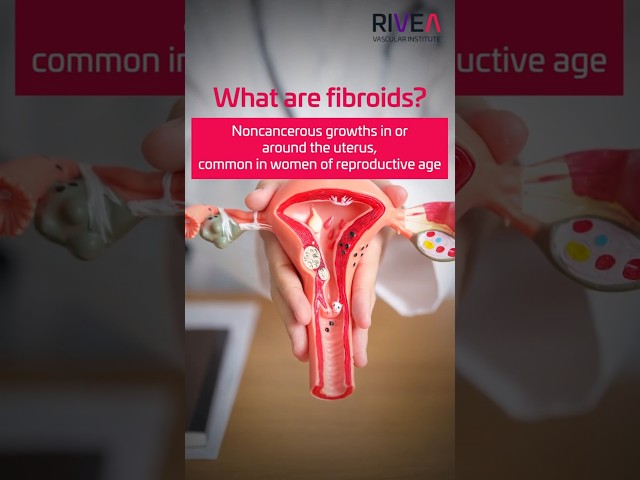
Uterine fibroids are noncancerous growths that develop in or around the uterus. They affect a significant percentage of women, particularly during their reproductive years. Fibroids are usually benign, though they can lead to substantial symptoms such as heavy menstrual bleeding, pelvic pain, frequent urination, bloating, iron-deficiency anaemia and fatigue from prolonged and/or heavy periods.
For patients seeking relief from these symptoms without undergoing major surgery, RIVEA offers Uterine Fibroid Embolization (UFE): a minimally invasive option for managing fibroid symptoms without surgical removal.
Uterine fibroid embolization (UFE) treats fibroids without surgery. An interventional radiologist guides a thin catheter, usually through an artery in the groin or wrist, to the vessels that feed the fibroids and blocks them with tiny particles. Starved of blood, the fibroids soften and shrink over the following weeks and months. The uterus is preserved and the whole procedure involves no surgical cuts.
When is Uterine Fibroid Embolization (UFE) performed?
UFE is most commonly used to treat symptomatic uterine fibroids, which can manifest in a variety of ways, including:
- Heavy or prolonged periods, sometimes with clots
- Anaemia from ongoing blood loss
- Pelvic pain, pressure or a feeling of fullness
- Needing to pass urine often or urgently because a fibroid presses on the bladder
- Constipation or bloating from pressure on the bowel
- Pain during sex
- Lower back or leg pain
- A swollen abdomen that can look like early pregnancy
- Difficulty conceiving or repeated miscarriage, where a fibroid is distorting the lining of the womb
Understanding Uterine Fibroid Embolization (UFE)
How to prepare for UFE
Your first visit includes a review of your symptoms, medical history, medicines, allergies and plans for having children. You will need an MRI scan, which shows the size, number and position of the fibroids and helps confirm they are suitable for UFE. If your bleeding pattern is unusual, we may also ask for a small tissue sample from the lining of the womb (an endometrial biopsy) to rule out other causes. Blood tests, including a kidney function check, are routine.
On the day of the procedure, you will be asked not to eat or drink for about six hours beforehand. We will do a pregnancy test, because the X-ray imaging used during the procedure is not safe in pregnancy. At RIVEA we generally work through the groin; we also check that the artery has good blood supply from both sides before we begin. A small area of hair at the top of the thigh will be clipped before the procedure. Please tell us if you take blood thinners, as these may need to be paused beforehand.
What happens during the procedure?
UFE takes about 60 to 90 minutes. You stay awake but relaxed, and you will not feel the procedure itself.
- You lie on the table and receive sedation and a dose of IV antibiotics. Pain relief is started early, before the particles are placed.
- The skin over your groin is numbed with local anaesthetic. Where the groin artery is unsuitable, we use the wrist instead.
- A tiny puncture is made in the artery and a thin catheter is passed through it. Using live X-ray imaging and contrast dye, we guide the catheter to the uterine arteries.
- Tiny particles, about the size of grains of sand, are released through the catheter to block the blood supply to the fibroids. They are made of medical-grade plastic or gelatin.
- The catheter is removed and a compression band is placed over the access site to prevent bleeding. Groin access needs firmer pressure and a longer period of lying down flat so the artery can seal
The groin route gives doctors a larger artery to work through and is the longest-established way of reaching the uterine arteries. The trade-off compared to the radial (wrist) approach is that you need to stay flat and keep your leg still for a few hours afterwards, so you will be on the ward for that time.
What happens after UFE?
For the first day or two patients will experience the worst of the after-effects. Common occurrences include period-like cramping or sometimes stronger, along with tiredness, nausea or a low-grade fever. This cluster is called post-embolisation syndrome and is a normal response as the fibroids lose their blood supply. We manage it with a pain-relief protocol which includes regular oral medication, anti-sickness tablets, and so on. Patients can go home the same day or at most after one night of observation if necessary, with medicines to continue at home.
Cramping and discomfort settle over the next two weeks. A watery or mucus-like vaginal discharge is common and may last several weeks. Patients are usually back at their usual routines within 7 to 10 days, though some need up to two weeks, and tiredness can linger a little longer.
In the following weeks and months, your periods may pause briefly. When they return they are often lighter, though they may take a cycle or two to settle. Improvement in bleeding is noticeable within the first few weeks. Pressure and bulk symptoms ease more slowly as the fibroids shrink, with clear improvement by about three months and the full effect often seen by six. Occasionally a fibroid fragment is passed vaginally.
RIVEA schedules a follow-up check with patients 1 to 2 weeks after the procedure. A follow-up MRI or ultrasound at around three to six months will show how well the fibroids have responded.
Aftercare at home
Keep the groin puncture site clean and dry and follow the bathing instructions you are given [doctors may recommend showering only after 24 hours; avoid baths and swimming until completely healed]. If adhesive strips were applied, they usually fall off by themselves within a few days. For the first few days, avoid heavy lifting, straining and vigorous exercise, and avoid long periods of deep squatting or bending at the hip. When you cough, sneeze or strain, pressing gently over the site helps. Light walking is encouraged.
Drink plenty of water and eat fibre-rich food to avoid constipation, since straining is best avoided early on.
Contact us promptly if you notice:
- Bleeding from the groin that does not stop with firm pressure
- A growing, painful or throbbing lump at the groin
- Redness, warmth, swelling or discharge at the puncture site
- Numbness, coldness, pale or bluish colour, or new pain in the leg
- A high or rising fever, or chills
- Pain that is getting worse rather than easing
- Heavy vaginal bleeding, or foul-smelling discharge
Aftercare
- Keep the groin incision clean and dry once you are home. Follow your provider’s instructions for bathing.
- If adhesive strips were applied, keep them dry. They will typically fall off on their own in a few days.
- Use only the pain medications recommended by your provider. Avoid aspirin or similar medications unless approved, as they can increase bleeding risk.
- Light walking is usually encouraged, but avoid strenuous activities until your provider gives the all-clear.
- Stay hydrated and eat a fiber-rich diet to help prevent constipation. Straining during bowel movements can interfere with healing. A mild laxative may be recommended if needed.
Watch for any signs of complications and contact your provider if you experience:
- Fever or chills
- Redness, swelling, or unusual discharge from the incision site
- Increased pain near the incision
- Abdominal cramping, pain, or swelling
- Heavy vaginal bleeding or passage of tissue or unusual fluid
A follow-up appointment is usually scheduled 1 to 2 weeks after the procedure.
Your provider may order imaging tests such as an ultrasound or MRI about 6 months later to evaluate the outcome of the procedure.
How does Uterine Fibroid Embolization compare with other treatments
| UFE | Myomectomy | Hysterectomy | |
|---|---|---|---|
| Approach | Catheter through the groin artery | Surgery (keyhole or open) | Surgery (keyhole, vaginal or open) |
| Anaesthesia | Local with sedation | General or spinal | General or spinal |
| Hospital stay | Same day to 1 night | 2–4 nights | 3–5 nights |
| Return to normal activities | About 1–2 weeks | About 4–6 weeks | About 6–8 weeks |
| Uterus kept | Yes | Yes | No |
| Future pregnancy | Possible | Possible | Not possible |
| Multiple fibroids | Treated together in one session | Depends on number and position | Yes, as the uterus is removed |
| Fibroid problems returning | Possible; new fibroids can form | Possible | No |
What are the advantages of Uterine Fibroid Embolization (UFE)?
Minimally invasive with only a small skin puncture
Faster recovery than traditional surgery

Reduced bleeding risk and complications
Lower complication rate than hysterectomy or myomectomy
No hormonal side effects

90% experience symptom relief
Preserves uterus and fertility potential
Why choose RIVEA for UFE?
RIVEA specialises in non-surgical, image-guided treatments for fibroids, with a focus on precision, safety, and patient comfort. Our UFE programme is led by Dr. Arjun Reddy, an interventional radiologist with specialist training in advanced embolization techniques.
We perform procedures on the Allia IGS 7 image-guided system, which gives us detailed, real-time imaging while we work. The groin puncture is monitored throughout your recovery. Every patient has a one-to-one consultation before any decision is made, and we will tell you plainly if another treatment would suit you better.
FAQs
Does UFE hurt?
The procedure itself is done with local anaesthetic and sedation, so you should feel little during it. Afterwards, cramping is common and can be significant for the first 24 to 48 hours. We start pain relief early and keep it regular, and for most women it settles quickly after that.
How long does UFE take, and will I stay overnight?
The procedure takes about 60 to 90 minutes, followed by several hours lying flat while the groin puncture seals. Most patients go home the same day / the next morning. If you are very uncomfortable or live far away, we are happy to keep you overnight.
How soon can I return to work?
Most women return to work and normal routines within 7 to 10 days, and some need up to two weeks. Desk work is usually easier to resume than physically demanding jobs. Tiredness can last a little longer.
How effective is UFE?
Studies show that around 85–90% of women have significant relief from heavy bleeding, pain and pressure. Results vary with the type and size of fibroids, so we will give you a realistic expectation after reviewing your MRI.
Can fibroids come back after UFE?
Yes, it is possible. Fibroids treated with UFE rarely regrow, but new ones can form, and some women need further treatment.
Will UFE affect my chances of getting pregnant?
UFE keeps the uterus, but its effect on fertility depends on the individual. Many women have had successful pregnancies afterwards, though the data is less extensive than for myomectomy. If you want children in future, please discuss this with us before choosing a treatment.
Will UFE bring on menopause?
Not usually. The ovaries are not removed, so there is no surgical menopause. A small number of women, particularly those over 45, may stop having periods permanently or reach menopause earlier.
Is UFE safe?
UFE is recognised as a safe and effective treatment for symptomatic fibroids. Like any procedure, it carries risks, which we have provided below and will go through with you personally.
What should I expect at the groin puncture site?
Expect some tenderness and bruising, which can spread down the thigh and fade over a week or two. A small, firm, pea-sized lump at the site is common as it heals. You will need to lie flat for several hours afterwards, and to avoid heavy lifting and straining for the first few days. Please contact us if the site bleeds, the lump grows or becomes painful, or your leg turns cold, pale or numb.
What are the risks and side effects?
Serious complications are uncommon when UFE is performed by an experienced interventional radiologist [1.25% rate of serious complications in a prospective study of 400 women – Canadian Family Physician]. You should still know what they are:
- Infection of the uterus or fibroids
- Unintended blockage of nearby blood vessels, which can injure the uterus or surrounding tissue
- Allergic reaction to contrast dye or medicines
- Bruising or a collection of blood (haematoma) at the groin puncture site, which is common and usually settles by itself; rarely, a more significant bleed or a swelling in the artery wall (pseudoaneurysm) needs further treatment
- Loss of periods, either temporary or permanent, particularly in women over 45, with a chance of earlier menopause
- An effect on fertility, especially if blood flow to the ovaries is affected
- Hysterectomy in rare cases (about 1–2%) if complications arise or symptoms persist
When is UFE not the right choice?
No single treatment suits everyone, and the choice should follow a proper assessment with imaging and a discussion of your priorities. UFE may not be the best option if:
- You are pregnant
- Your fibroids are not causing symptoms
- You have an active pelvic infection
- There is any suspicion that a growth could be cancerous
- Your fibroid hangs from the uterus on a thin stalk (a pedunculated subserosal fibroid), where surgery is often safer
- You have a serious allergy to contrast dye, or reduced kidney function that needs careful planning first
If you hope to become pregnant soon, please tell us at the first consultation. UFE leaves the uterus in place and some women have gone on to have healthy pregnancies, but the evidence is less extensive than for myomectomy (surgical removal of the fibroids). If pregnancy is your main goal, we will talk through both routes with you openly.
Who Should Consider Uterine Fibroid Embolization (UFE)?
- Women whose symptoms persist despite medication
- Patients seeking a uterus-sparing, fertility-preserving alternative to surgery
- Women who are not ideal candidates for surgery
- Individuals with multiple or surgically difficult-to-access fibroids
- Working women who need a quicker return to routine
Click here to learn more about:
Uterine Fibroids
For any inquiries, post your query here:
Ask Rivea
Contact us today to explore your options.
Call Now